


Production Scale and Output
Enterprises should select the model and specification of the automatic spray painting production line according to their own production scale and expected output. For large - scale production, a production line with strong processing capacity and high degree of automation is required; for small - and medium - scale production, more flexible and lower - cost equipment can be considered.
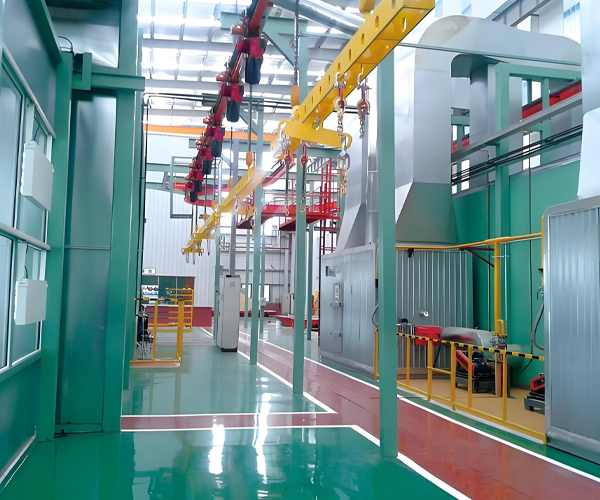
Workpiece Type and ShapeDifferent types and shapes of workpieces have different requirements for spray painting processes and equipment. For example, workpieces with complex shapes may require multi - axis spray guns or spray painting equipment with special trajectory programming functions; large - sized workpieces need a large enough spray booth and conveying system to meet their spray painting needs.
Coating Type and Process RequirementsDifferent coatings have different drying and curing methods and spray painting parameters. Enterprises should select an automatic spray painting production line that matches the type of coating they use. For example, the spray painting equipment for water - based coatings and solvent - based coatings may differ in some components and processes; light - cured coatings require the corresponding ultraviolet curing device.
Environmental Protection and Safety RequirementsWith the increasingly strict environmental protection and safety regulations, enterprises should fully consider the environmental performance and safety protection measures of the equipment when choosing an automatic spray painting production line. For example, whether the ventilation system of the spray booth is good and can effectively collect and handle paint mist; whether the equipment has safety devices such as leakage protection and fire and explosion prevention.
After - sales Service and Technical SupportAs a complex piece of equipment, the automatic spray painting production line may encounter various problems during use. Therefore, it is crucial to choose a supplier with good after - sales service and technical support. The supplier should be able to provide timely equipment maintenance, technical training, and troubleshooting services to ensure the normal operation of the equipment.
