


In the automobile manufacturing process, the painting line, as a crucial technological step, bears the significant mission of enhancing the appearance and texture of products, improving corrosion resistance, and prolonging service life. Its application spans multiple stages of vehicle body treatment, achieving full-process optimization from basic treatment to final film formation through systematic and automated operation modes.
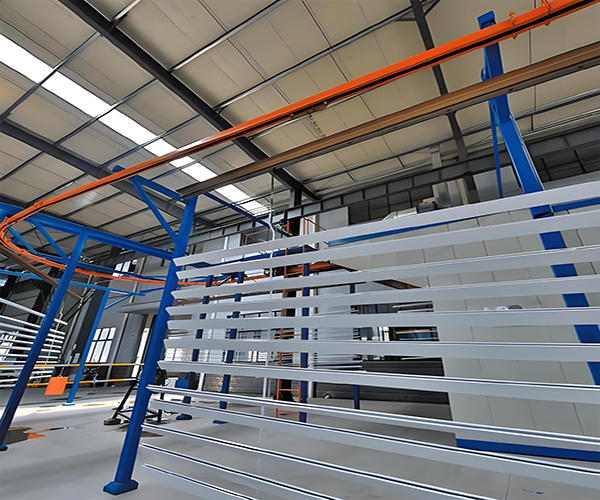
Pre-treatment process: the cornerstone of building coating adhesion
The primary step of the painting line is the pretreatment process, which involves cleaning and activating the surface of the vehicle body through automated equipment. This step includes processes such as degreasing, derusting, and phosphating, with the aim of thoroughly removing impurities and oxide layers from the metal surface, forming a microscopically rough surface structure that enables the paint to adhere firmly. The quality of the pretreatment directly affects the durability of the subsequent coating, just like laying a solid foundation for a building, ensuring that the paint film is not prone to peeling or bubbling during long-term use.
Automated spraying: achieving uniform and efficient coating effects
Entering the spraying stage, the automated painting line achieves precise operations through a sophisticated robotic arm system. The sensors mounted on the robotic arm can adjust the spray gun angle and pressure in real time, ensuring that the paint evenly covers every curve and corner of the vehicle body, avoiding common issues such as missed spots, excessive thickness, or sagging that occur during manual spraying. This automated control not only enhances the efficiency of spraying but also ensures consistency in paint film thickness, resulting in a smooth and uniform visual effect on the vehicle's exterior, meeting the personalized needs of different vehicle models and colors.
Curing treatment: a crucial step to enhance the performance of coatings
After spraying, curing is a crucial step to ensure the performance of the coating. By controlling the temperature and humidity parameters inside the drying oven, the paint completes the chemical cross-linking reaction in a short period of time, forming a tough protective layer. This process not only enhances the hardness and wear resistance of the paint film, but also improves its UV resistance, chemical corrosion resistance, and weatherability, allowing the vehicle to maintain a bright and new appearance even under harsh environmental conditions, effectively extending the product's service life.
Environmental protection practice: An inevitable choice for promoting green manufacturing
Modern painting lines also play a significant role in environmental protection. By equipping with efficient exhaust gas treatment systems, such as activated carbon adsorption and catalytic combustion devices, they can effectively reduce the emission of volatile organic compounds (VOCs) and minimize their impact on the atmospheric environment. Simultaneously, the introduction of recycling devices facilitates the recovery and reuse of water-based paints, thereby reducing resource waste and wastewater generation, and propelling the automotive manufacturing industry towards a green and sustainable transformation.
The application of painting lines in automobile manufacturing not only reflects technological advancements but also demonstrates the industry's continuous pursuit of quality, efficiency, and environmental protection. From basic treatment to final film formation, the optimization of every step embodies the pursuit of excellence in product performance, providing solid support for the high-quality development of automobile manufacturing.
