


When hardware, electromechanical, auto parts, or heavy industry factories introduce or upgrade paint lines, they often fall into common traps: buying oversized equipment wastes electricity, undersized units fail environmental standards, and reduced configurations lead to peeling, sagging, and excessive odor. Industrial paint lines are not one-size-fits-all; they must be customized based on product conditions, production volume, and environmental requirements. Here is a universal, pitfall-free selection standard that small and medium-sized enterprises can directly reference.1. Assess Product Conditions First to Determine the Paint Line TypeDifferent workpieces require completely different paint production lines. Choosing the wrong type directly leads to low efficiency and poor quality.
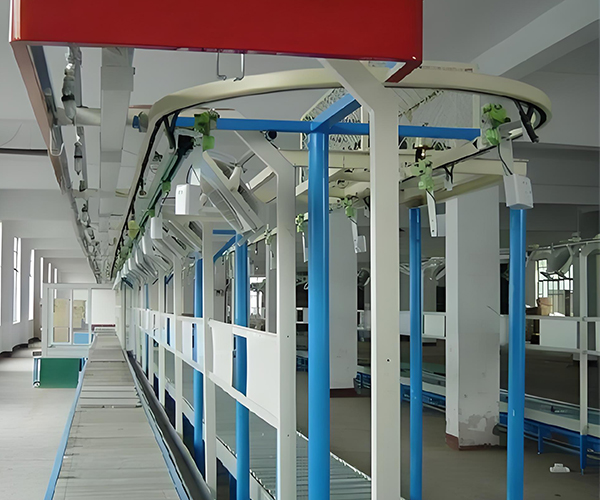 Small hardware/auto parts with high volume: Ideal for fully automatic overhead conveyor paint lines. Continuous cycle operation without manual loading/unloading doubles capacity.
Motor housings, aluminum profiles, medium-sized workpieces: Best suited for floor-track automatic paint lines. They offer stable operation and uniform coating, accommodating various specifications.
Large heavy equipment, extra-long workpieces: Require fixed spray booths combined with reciprocating sprayers. Highly flexible for large and irregularly shaped parts in heavy-duty production.
Small batches, multiple product categories: Semi-automatic paint lines (combining manual touch-up with automated conveyors) offer better cost-effectiveness.2. Core Configuration Selection Determines Quality & LifespanPre-treatment System: 90% of peeling and poor adhesion issues stem from inadequate pre-treatment. Standard industrial lines must include degreasing, water washing, and conversion coating to彻底 remove oil and oxides, ensuring strong coating adhesion and significantly improving salt spray and corrosion resistance.
Spraying System: High-quality lines feature high-voltage electrostatic spraying systems paired with multi-axis reciprocators. This ensures fine atomization, uniform thickness, and controllable tolerances, effectively solving sagging, missed spots, and orange peel issues while maximizing paint utilization.
Curing/Drying System: Hot air circulation drying combined with heat pump energy-saving systems ensures even temperature distribution and stable heating. This guarantees thorough curing, preventing soft films, tackiness, or cracking, and is compatible with both solvent-based and water-based paints.
Exhaust Treatment System: Standard multi-stage dry filtration plus catalytic combustion equipment thoroughly intercepts overspray and dust, completely decomposes VOCs, ensures stable compliance, meets ultra-low emission standards nationwide, and handles routine environmental inspections.3. Four Common Selection Pitfalls to AvoidChasing Low Prices Over Configuration: Cheap equipment usually has thin air ducts, uneven heating, and rudimentary filtration, leading to high rework rates, high energy consumption, and environmental non-compliance later on.
Blindly Pursuing High Capacity: Installing massive assembly lines for low-volume, simple operations results in long-term waste of electricity and maintenance costs.
Ignoring Safety Features: Lack of flame arrestors, pressure relief, or over-temperature protection is extremely dangerous, as paint shops are highly flammable and explosive environments.
Overlooking Compatibility: Using a generic setup regardless of workpiece size or paint type leads to inconsistent quality and prevents the factory from taking on premium orders.4. SummaryA reliable industrial paint line comes down to matching the working conditions, solid configuration, environmental compliance, and stable quality. Customizing your selection based on product specs, production capacity, and environmental standards avoids upfront waste, ensures long-term stable production, reduces costs, increases efficiency, and ultimately boosts your company's competitiveness.
Small hardware/auto parts with high volume: Ideal for fully automatic overhead conveyor paint lines. Continuous cycle operation without manual loading/unloading doubles capacity.
Motor housings, aluminum profiles, medium-sized workpieces: Best suited for floor-track automatic paint lines. They offer stable operation and uniform coating, accommodating various specifications.
Large heavy equipment, extra-long workpieces: Require fixed spray booths combined with reciprocating sprayers. Highly flexible for large and irregularly shaped parts in heavy-duty production.
Small batches, multiple product categories: Semi-automatic paint lines (combining manual touch-up with automated conveyors) offer better cost-effectiveness.2. Core Configuration Selection Determines Quality & LifespanPre-treatment System: 90% of peeling and poor adhesion issues stem from inadequate pre-treatment. Standard industrial lines must include degreasing, water washing, and conversion coating to彻底 remove oil and oxides, ensuring strong coating adhesion and significantly improving salt spray and corrosion resistance.
Spraying System: High-quality lines feature high-voltage electrostatic spraying systems paired with multi-axis reciprocators. This ensures fine atomization, uniform thickness, and controllable tolerances, effectively solving sagging, missed spots, and orange peel issues while maximizing paint utilization.
Curing/Drying System: Hot air circulation drying combined with heat pump energy-saving systems ensures even temperature distribution and stable heating. This guarantees thorough curing, preventing soft films, tackiness, or cracking, and is compatible with both solvent-based and water-based paints.
Exhaust Treatment System: Standard multi-stage dry filtration plus catalytic combustion equipment thoroughly intercepts overspray and dust, completely decomposes VOCs, ensures stable compliance, meets ultra-low emission standards nationwide, and handles routine environmental inspections.3. Four Common Selection Pitfalls to AvoidChasing Low Prices Over Configuration: Cheap equipment usually has thin air ducts, uneven heating, and rudimentary filtration, leading to high rework rates, high energy consumption, and environmental non-compliance later on.
Blindly Pursuing High Capacity: Installing massive assembly lines for low-volume, simple operations results in long-term waste of electricity and maintenance costs.
Ignoring Safety Features: Lack of flame arrestors, pressure relief, or over-temperature protection is extremely dangerous, as paint shops are highly flammable and explosive environments.
Overlooking Compatibility: Using a generic setup regardless of workpiece size or paint type leads to inconsistent quality and prevents the factory from taking on premium orders.4. SummaryA reliable industrial paint line comes down to matching the working conditions, solid configuration, environmental compliance, and stable quality. Customizing your selection based on product specs, production capacity, and environmental standards avoids upfront waste, ensures long-term stable production, reduces costs, increases efficiency, and ultimately boosts your company's competitiveness.
